Dark Web and Data Leaks: How to Know if Your Passwords are Being Sold
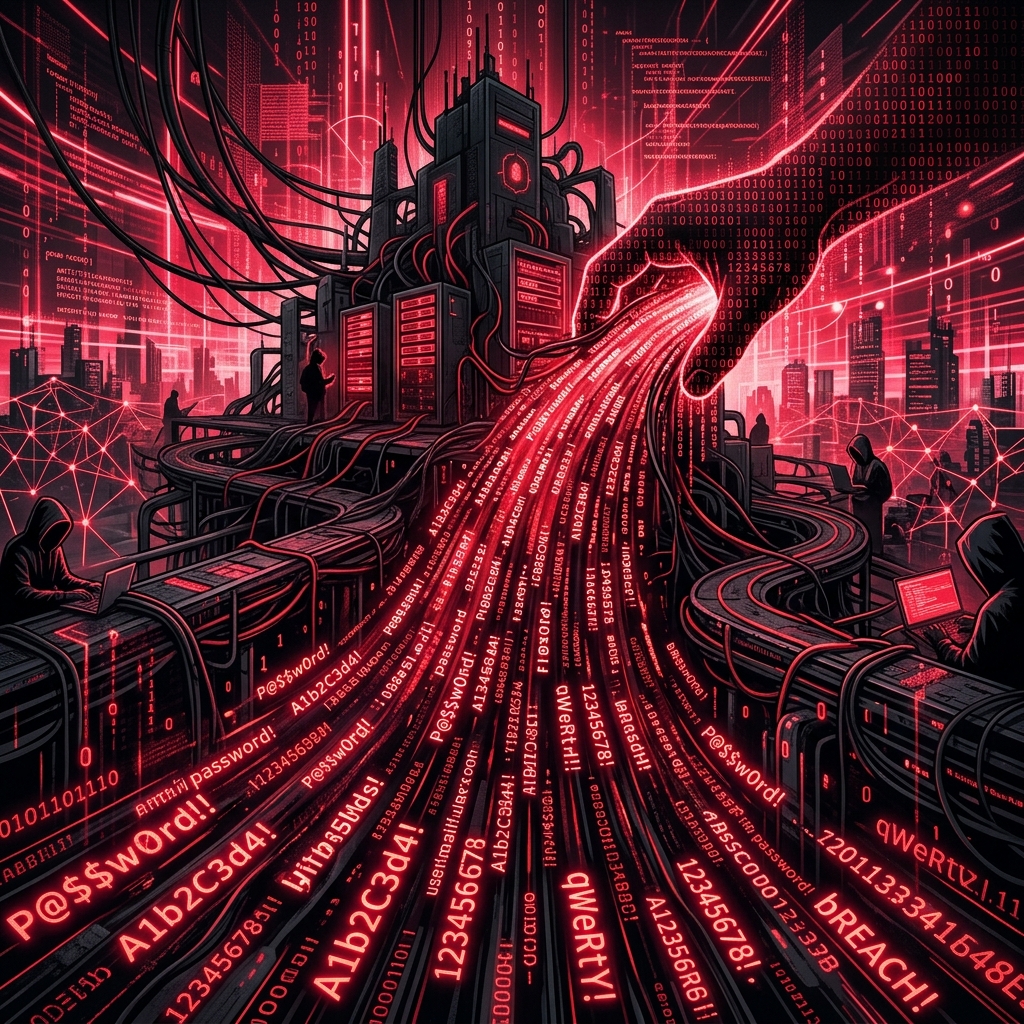
We are used to trusting our data to large services, online stores, and delivery platforms. However, no system is 100% secure. When a breach occurs, databases containing user logins, passwords, and phone numbers inevitably end up on the Dark Web.
What is the Dark Web?
The Dark Web is a hidden segment of the internet that cannot be accessed through regular browsers and search engines. A shadow economy thrives here, and personal data is one of the most popular commodities.By the way, attackers often use purchased databases to conduct targeted attacks using social engineering.
How do passwords get to hackers?
1. Mass service leaks: Hackers find vulnerabilities in the code of a popular food delivery or ticket booking service. 2. Stealers: Malware that infects your computer and steals saved passwords directly from your browser. 3. Phishing: You enter your password on a fake website yourself.All this information is collected into giant text files (combo lists) that are sold for pennies or even posted for free on hacker forums. If you want to dive deeper into finding such traces, we recommend reading our article on the digital footprint of a company.
How to check yourself?
There are legal OSINT tools to check your data. The most famous is the Have I Been Pwned service. You enter your email or phone number, and the system shows exactly which breaches your data appeared in.What to do if your data leaked?
1. Change your password. And not only on the hacked service, but everywhere you used the same password (rule number one: do not use one password for everything!). 2. Enable two-factor authentication. 3. Terminate active sessions. Be sure to check if there are any unknown devices connected to your messengers. We wrote about this in detail in the guide How to protect your Telegram account.Regularly check your emails for leaks and use password managers!